By Westminster Interfaith
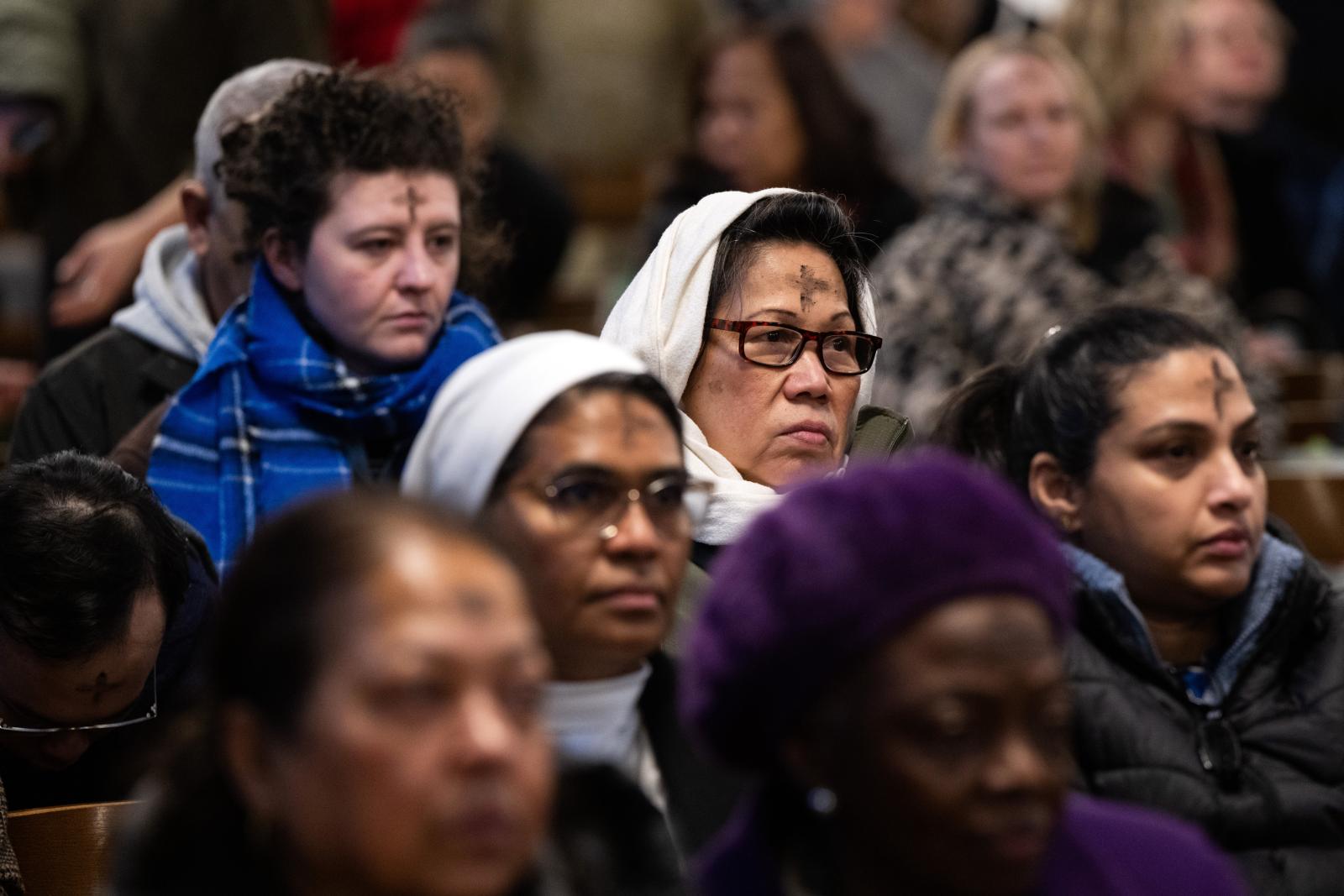
Lent, which began on Ash Wednesday, offers 40 days of preparation for the resurrection of Christ at Easter. It is a season which, as Pope Leo says, “invites us to place the mystery of God back in the centre of our lives” (1).
We hear in the Gospels that the Spirit led Jesus out into the desert, where He fasted for 40 days and nights. Throughout the Old Testament, the number 40 symbolises a period of transformation through adversity: in Genesis the flood lasted for 40 days and 40 nights; in Exodus, Moses spent 40 days on Mount Sinai and in Numbers, the Israelites wandered for 40 years in the desert before reaching the Promised Land.
And for the first time in almost 100 years, this year Ash Wednesday coincided with the first day of Ramadan. Over the coming weeks, billions of people across the world, according to the requirements of their own religion, will be fasting – side by side.
On the occasions of major religious festivals and seasons, the Vatican writes to religious communities. In a letter addressed to Muslim brothers and sisters on the occasion of the month of Ramadan, Cardinal Koovakad, Prefect of the Dicastery for Interreligious Dialogue, writes:
“This year, through a providential convergence of calendars, Christians observe this period of fasting and devotion alongside you during the holy season of Lent, which leads the Church toward the celebration of Easter” (2).
Sr Christine Frost fcJ, founder of Neighbours in Poplar, notes that this convergence in our calendars creates “a powerful call to build bridges, to come together as children of Abraham and to appreciate our diversity and common humanity, qualities our torn world needs so badly at the moment”.
In his 2026 Lenten message, Pope Leo encourages Catholics, alongside traditional abstinence from food, to try “a very practical and frequently unappreciated form of abstinence: that of refraining from words that offend and hurt our neighbour… In this way, words of hatred will give way to words of hope and peace” (1).
This year, as well as celebrating the Year of St Francis, it is the 40th anniversary of Pope St John Paul II’s gathering at Assisi, which marked the World Day of Prayer for Peace in 1986. Amidst a time of conflict in the world, the Assisi gathering was a reminder that no one religion has a monopoly over the quest for peace – instead, it is a journey to be shared.
“Peace – ”, writes Cardinal Koovakad in his letter, “this is my fervent wish for each of you… such peace is a gift received from God and nurtured by defusing hostility through dialogue, practicing justice, and cherishing forgiveness”.
“Through this shared season of Ramadan and Lent, may our inner transformation become a catalyst for a renewed world, where the weapons of war give way to the courage of peace” (2).
This Lent, may we echo this prayer, that when these 40 days are over, our inner transformation through prayer, fasting and charity may re-centre our lives on the mystery of God and guide us, and our world, into the way of peace.
References:
1. https://press.vatican.va/content/salastampa/it/bollettino/pubblico/2026/02/13/0124/00243.html#en
Photo: Mazur/cbcew.org.uk