By Deacon Roger Carr-Jones, Marriage and Family Life Coordinator
Roald Dahl’s Charlie and the Chocolate Factory may seem far removed from our theme of “carrying the cross with hope,” this Lent, yet they illuminate one another in surprising ways. This connection surfaced in my mind during the installation of Archbishop Richard Moth, where my green entry ticket triggered thoughts of the “golden ticket” that each of us received at baptism.
Our baptismal ticket marks the beginning of a journey, not its completion. Baptism is not a keepsake to be tucked away; it is a lived reality. It is an invitation into the Kingdom, not a guarantee of ease. Like Charlie, who possesses no wealth or privilege, the baptized bring nothing of their own. What we do receive is a pure gift: hope. Charlie’s golden ticket, like our baptism, is something he could never earn.
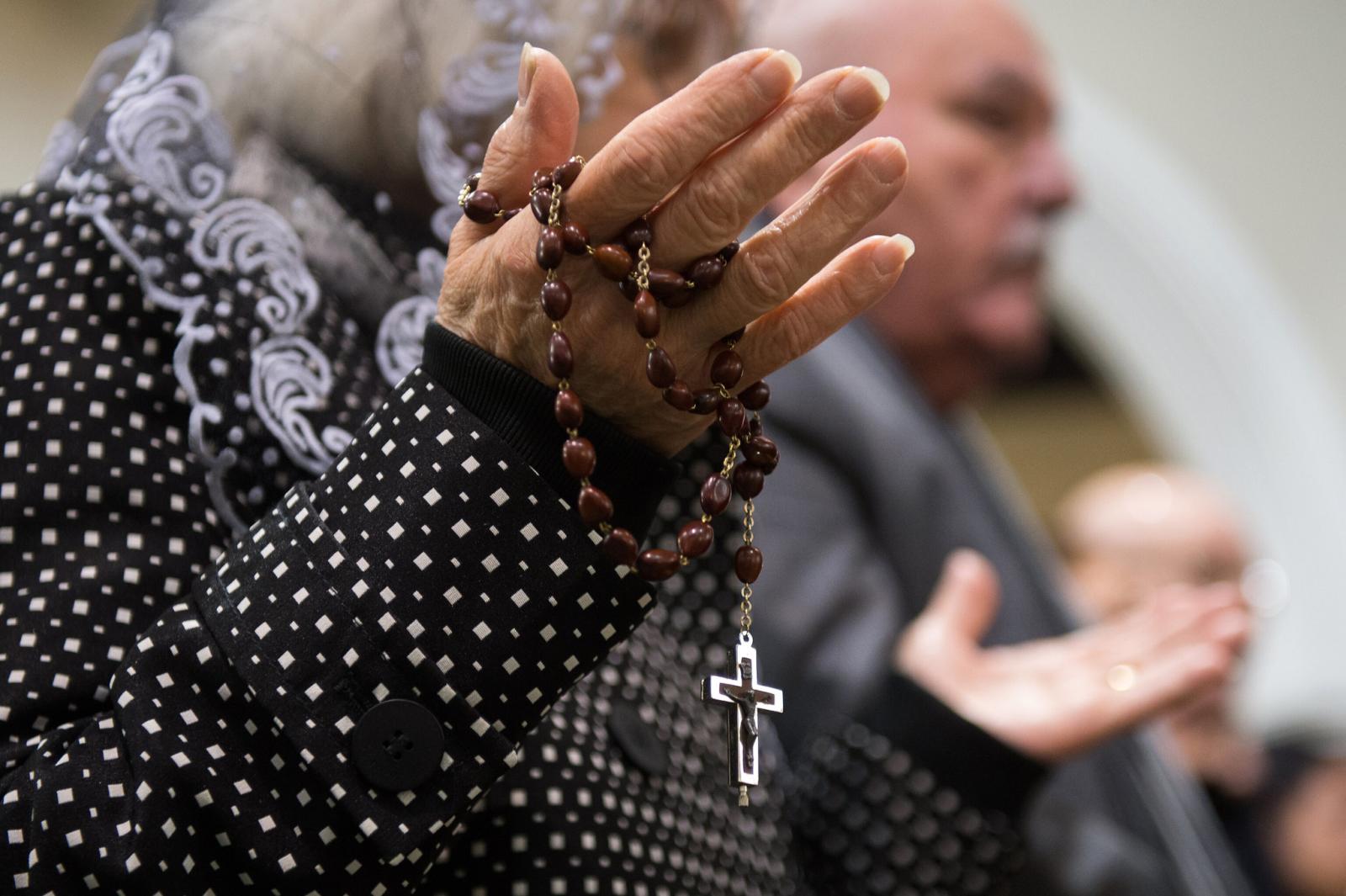
Our own golden ticket begins as the Cross is traced on our forehead. This cross is not a burden but a compass. It does not test us; it guides us. The spirituality of the cross is not a fixation on suffering but a sign of God’s active presence in our lives and in the world.
In the Spiritual Exercises, the Cross unfolds in stages. In the First Week, the deformed is reformed through God’s forgiveness. In the Second, the reformed is conformed to Christ’s way of seeing and choosing. In the Third and Fourth Weeks, the conformed is confirmed—sharing in Christ’s passion, and then in His joy and consolation. The cross we carry is therefore dynamic: purgative, then illuminative, and finally unitive. It is experienced differently across the seasons of our lives, yet always under the promise that sin, ours or the world’s, never has the final word.
At the end of Dahl’s story, Willy Wonka entrusts the entire factory to Charlie, not because he is perfect, but because he is faithful. Likewise, we receive the Kingdom not through merit but through God’s trust in us. The cross marked at baptism is a sign of belonging, a belonging that strengthens us to carry our own cross and to help others bear theirs. What we carry is not a weight but a promise.
In Ignatian spirituality, carrying the cross with hope means embracing life’s burdens while trusting that God is at work within them. Hope is not passive; it is a creative force shaping our discernment. As baptism opens our eyes to a hope we could never earn, we pray that “the eyes of your heart may be enlightened” (Eph 1:18).
Take a moment to reflect on how the “spiritual guarantee” of baptism shapes and reshapes the way you carry your cross of hope this Lent and indeed, each day.
© Mazur/cbcew.org.uk