By Deacon Roger Carr-Jones, Marriage and Family Life Coordinator
In the run-up to Christmas, I attended a one-man show of Charles Dickens' Christmas Carol, where there was the opportunity to chat with the actor afterwards. He made one observation which has remained with me. Acting is not simply about learning the lines or becoming a character; it is primarily about becoming either the play or the story. This thought returned to me watching a children’s nativity play. The performers did not simply present the story of the incarnation, the performers became active participants in its reality. The play was therefore honest in expressing real emotions and simplicity, rather than being polished and perfect. As such, it was successful in presenting the timeless realities of the original story.
Being a Christian is not about learning facts or information; it is something that is lived, embodied and enacted. Standing in front of the crib we too step into the story, not as passive observers; instead we are part of a living narrative. The Christian life is not about memorising the ‘right answers’: it is about letting Jesus shape the narrative of our lives. At the conclusion of a Christmas Carol we met a changed Scrooge, who says, ’I will honour Christmas in my heart, and try to keep it all the year’. At the beginning he is not a model for the Christian life; by the end he embodies the central aspects of discipleship: repentance, redemption, generosity, and renewed relationship with others.
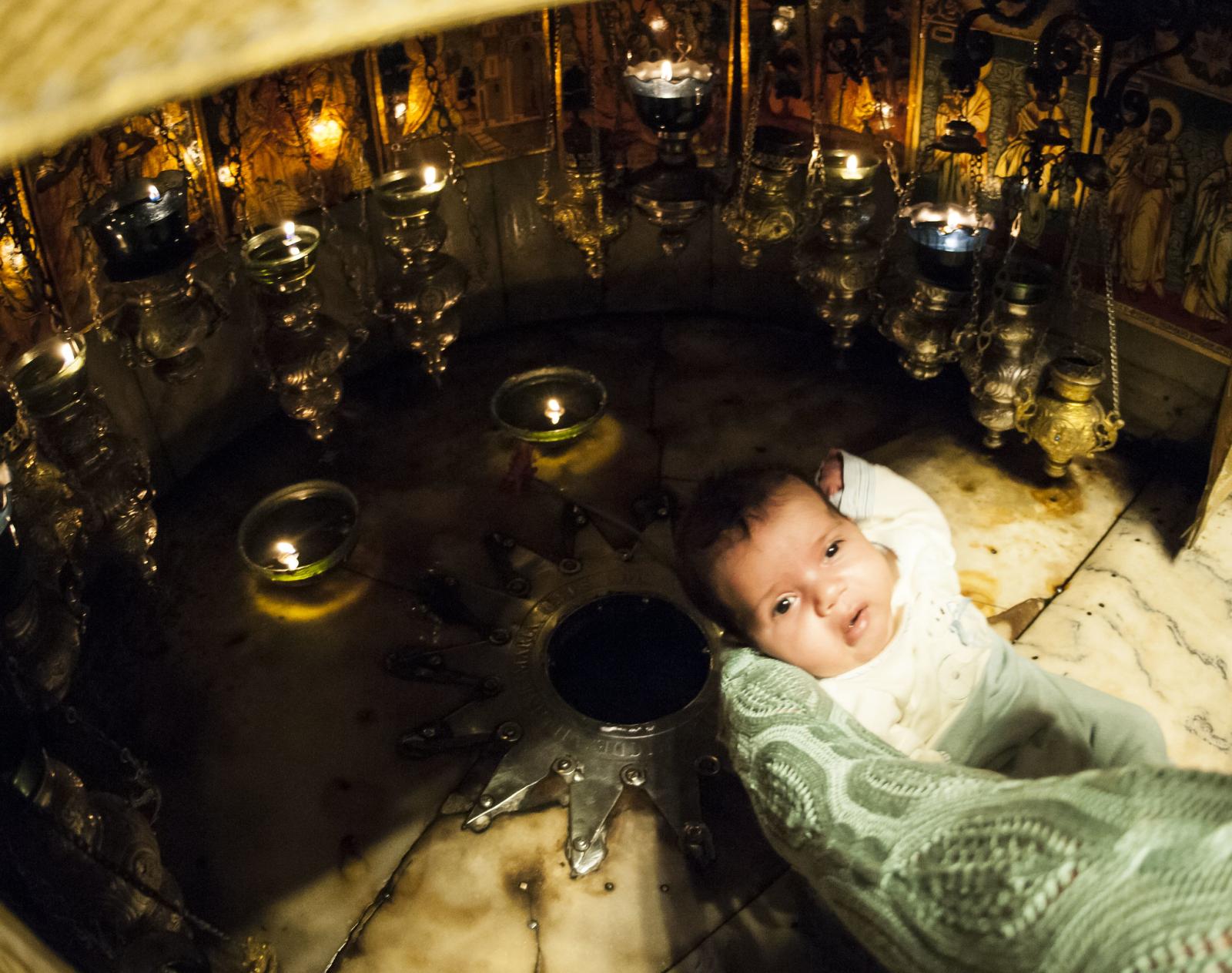
As we gaze on the Christ-child, how would we feel if Mary were to invite us to stretch out our hands and hold the baby? Scrooge moved from an emotional encounter in his conversion journey to one that sustained him to live a life of joy, compassion and justice. If we are to ‘keep Christmas well’ then we must do the same.
At the incarnation God enters into human history, literally, ‘God with us’, which is the foundation of Christian hope. The nativity is not nostalgia: it is real and gritty, as God enters into the darkness of humanity, with light, tenderness and hope. These qualities run counter to the false images of our world.
Celebrating a ‘nativity of hope’ captures the essence of Christmas, as the birth of Jesus, is one of light breaking into the darkness of our world. It is a phrase that speaks of renewal amidst the struggles of life, and the peace offered to a weary world. These realities are the constant of the nativity; whereas our journey each year to the manger is different. We come as we are, where we are, but always stepping forwards with hope.
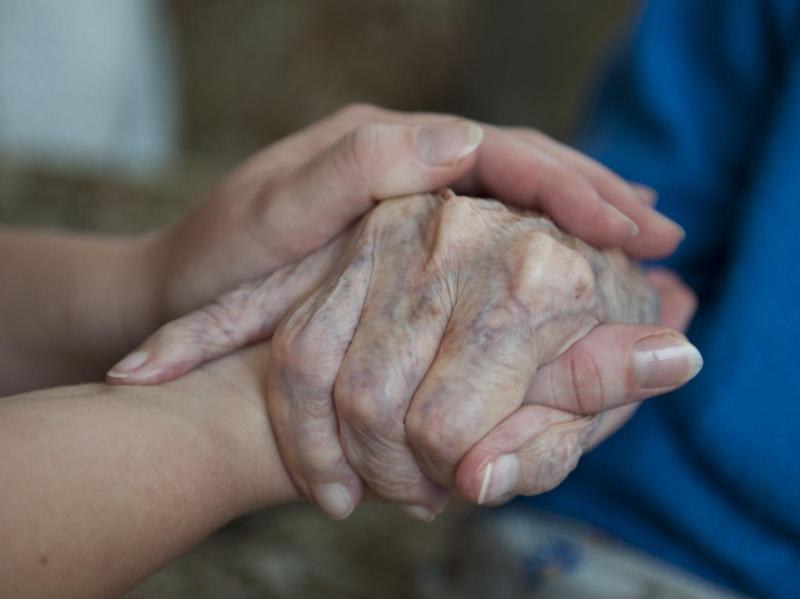
The birth of Jesus is one of the Light breaking into the darkness of our world. Where do we need that light to break into the dark recesses of our lives, trusting that God is not afraid of our imperfections? Indeed, God embraces us in our imperfections, holds and carries us, and, as with Scrooge, ultimately transforms us.
The incarnation is not just an historical event; it is a living reality that demands a response from us. Do we, like Mr Scrooge, need a spiritual rebirth this Christmas, to allow the Christ-child to enter into and transform the darkness and brokenness within us?